
House Wrens at my house
- Casey Tucker
- Jun 28, 2022
- 2 min read
House Sparrows and European Starlings regularly nest in my backyard, but in recent year I've been trying to get other species to try and nest in the yard.
Sometimes we get Chipping Sparrows, but they don't fare well with the starlings. For the past few years I've been hearing House Wrens in neighboring yards, but they don't usually nest around our house.
This year, when I heard a House Wren singing in our neighbor's yard, I decided to attract him into our yard. First, I hung a couple of Wren houses on either side of our yard. Then, when I heard him singing in the yard next door, I played a recording of a singing House Wren to get his attention. It worked! He came over and checked out the houses and decided to stay.

Using recordings and decoys to attract birds to an area is known as conspecific attraction. This conservation technique was first pioneered with seabirds, but has since been used with a number of other species.
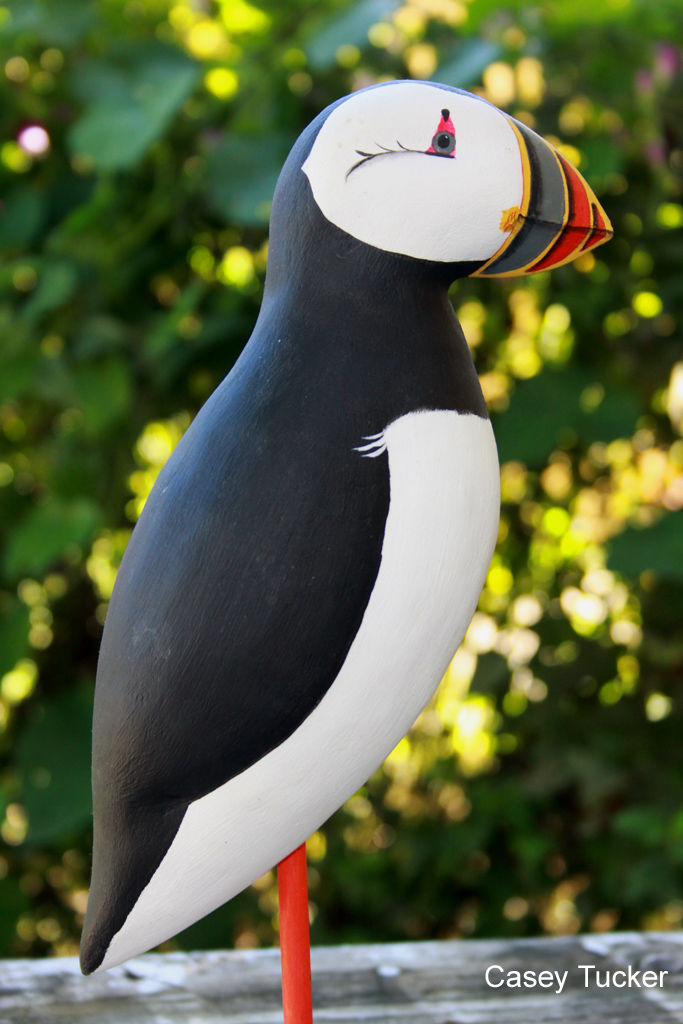
The idea behind conspecific attraction is that artificial social cues, like decoys or audio recordings, could potentially convince real birds that if others of their species are in an area, then that area might be a suitable habitat in which to settle and raise young. It's a little bit like how birders find birds. If you see a group of people looking through binoculars there's a good chance that they're birders and they might be looking at a bird of interest to you. Conspecific attraction has a lot of potential as a conservation tool for conservationists and land managers to help endangered species find suitable habitat, but needs further study.
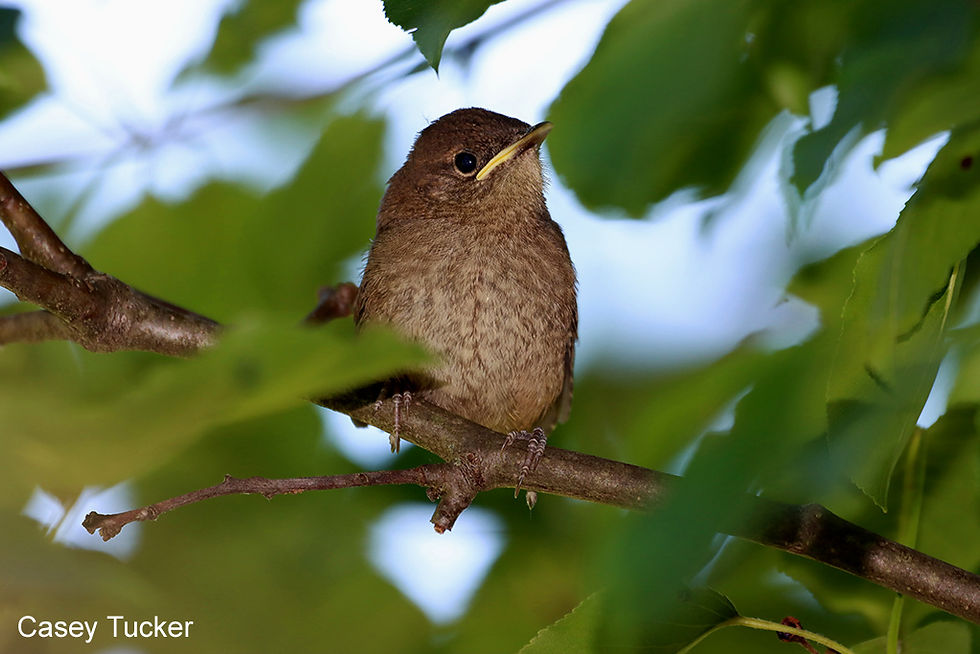
Within a single day of my hanging the first house, and getting the wren's attention with the recording, he had already filled that house with sticks. Then he started singing on the other side of the yard, so I hung a second house there, and saw him checking it out. Again, within a day of hanging it he had it filled with sticks. He kept singing his little heart out, but I didn't see any evidence that he was attracting a mate. Then, a few days after a big storm we had in mid-June, I saw a female going back and forth to the second box, so I thought maybe he finally had a mate. Well, they had me fooled. Apparently, he had already attracted this mate awhile ago and they had already laid eggs, were raising young, and I got to see two fledglings and heard a third, hanging around the first box I had hung. I don't know if conspecific attraction can be credited with this success, but it certainly didn't hurt.


Comments